Rent vs. Buy in 2026: How to Make the Right Call for Your Situation
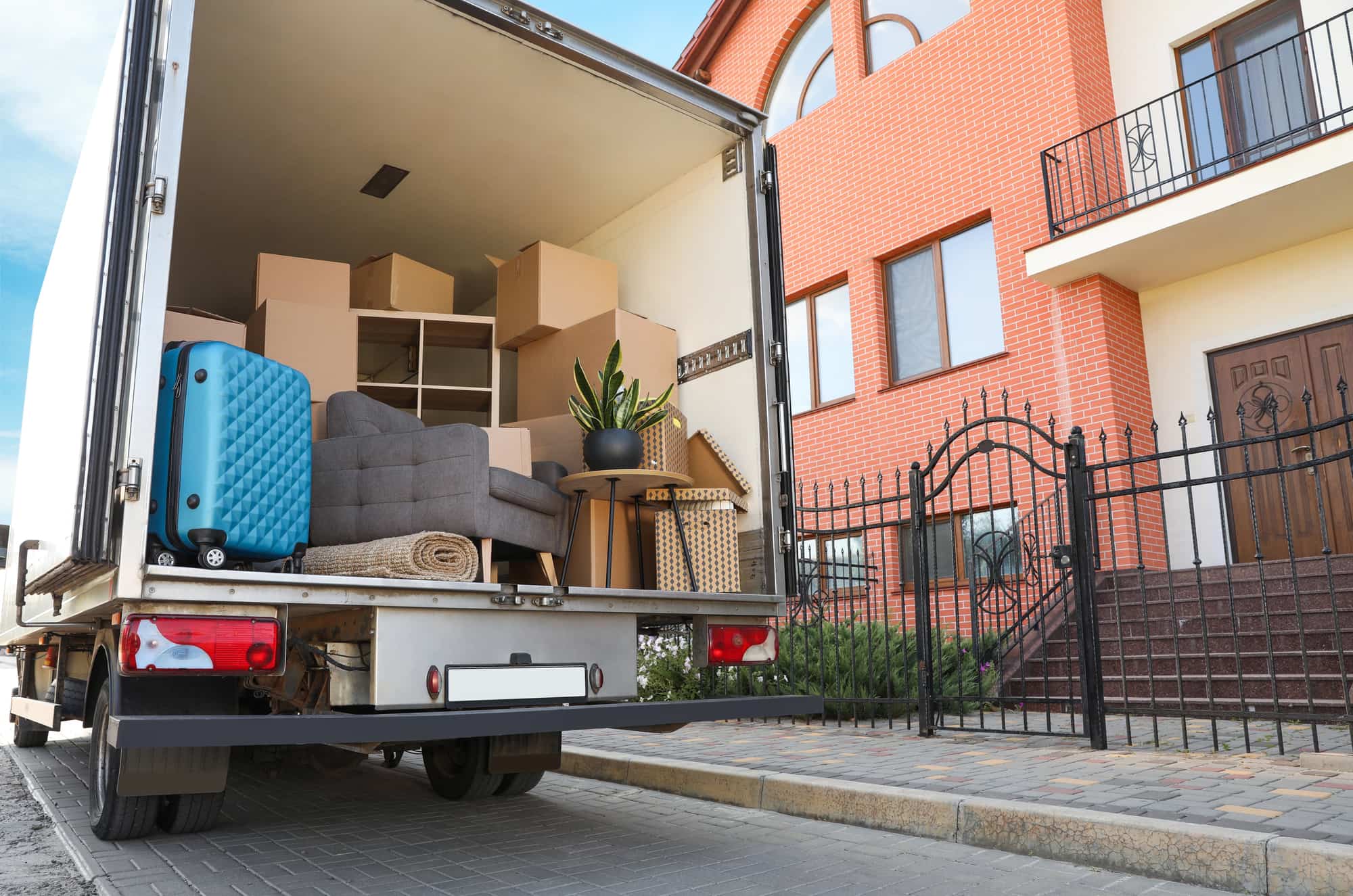
The rent vs. buy debate has never felt more complicated — and for good reason. Mortgage rates that peaked above 7% have eased to around 6% heading into 2026, but home prices haven’t followed them down. Meanwhile, rents have cooled slightly from their pandemic peaks but remain elevated in most markets. Neither option looks obviously cheap.
What’s changed is that the math is finally stabilizing. With rates settling and home prices growing at a modest 1 to 2% annually, buyers and renters can now model realistic scenarios instead of guessing at a moving target.1 The answer still depends heavily on where you live, how long you plan to stay, and what you’re comparing — but there is a clear framework for making the call.
This article walks through the actual numbers: what buying costs beyond the mortgage, the price-to-rent ratio that signals which direction favors you, the breakeven timeline in today’s market, and the situations where renting is genuinely the smarter financial move. You can look up median rent and median home values for any ZIP code at ZipCodePlus.com to run these calculations against real local data.
The True Cost of Buying: It’s More Than the Mortgage
The single biggest mistake buyers make is comparing a mortgage payment to a rent payment as if they’re the same thing. They aren’t. The true monthly cost of owning a home in 2026 runs 30% to 40% higher than the principal and interest payment alone.2
Here’s what the full picture looks like on a $400,000 home at 6.0%, 20% down:
| Cost Component | Monthly Estimate |
|---|---|
| Principal & Interest | ~$1,918 |
| Property taxes (est. 1.2%) | ~$400 |
| Homeowners insurance | ~$150–$200 |
| Maintenance (1% of value/yr) | ~$333 |
| Total True Monthly Cost | ~$2,800–$2,850 |
The maintenance figure is particularly easy to underestimate. The national average annual home maintenance cost has risen to $10,867 per year in 2026, according to industry data.3 Water heaters, HVAC systems, roofing repairs, and appliances don’t ask permission before they break.
Closing costs add another layer — typically 2% to 5% of the purchase price upfront, plus 5% to 6% in agent commissions and fees when you eventually sell.2 These transaction costs mean that buying a home you’ll only stay in for two or three years almost always loses money compared to renting.
The Price-to-Rent Ratio: Your Local Market Snapshot
The quickest way to assess whether your specific market favors buying or renting is the price-to-rent ratio: divide the home’s purchase price by the annual rent for a comparable property.
Price-to-Rent Ratio = Home Price ÷ (Monthly Rent × 12)How to read it:
- Below 15 — Buying is generally favorable. Markets in this range include many Midwest and South cities.
- 15 to 20 — Borderline. The right answer depends on your timeline and local appreciation trends.
- Above 20 — Renting is often the better financial choice, especially for shorter stays.
Some real examples from 2026 data:2
| City | Price-to-Rent Ratio | Signal |
|---|---|---|
| Columbus, OH | ~13.2 | Favors buying |
| Indianapolis, IN | ~14.1 | Favors buying |
| Austin, TX | ~16.9 | Borderline |
| Denver, CO | ~19.4 | Borderline/renting |
| San Francisco, CA | ~25.2 | Favors renting |
| New York, NY | ~27+ | Favors renting |
You can run this calculation yourself using the median home value and median rent shown on any ZIP code page at ZipCodePlus.com. A ZIP like 34683 in Palm Harbor, Florida, shows a median home value of $424,200 and median rent of $1,655/month — a ratio of about 21.3, suggesting that renting is the closer financial call in that specific market.
The Breakeven Timeline: How Long Do You Need to Stay?
The national average breakeven point — the year when buying becomes cheaper than renting a comparable home — is currently 5 years and 8 months, according to JL Lending Team analysis of 2026 market data.4 Other analyses put the range at 5 to 7 years depending on down payment size, local appreciation, and how fast rents are rising in your market.25
The math for a typical scenario over five years on a $400,000 home:3
- Principal paydown: ~$24,400 built in equity
- Home appreciation at 2% annually: ~$41,600
- Total wealth built: ~$66,000
That looks compelling — until you factor in closing costs on both ends of the transaction (typically $20,000+ to buy and $25,000+ to sell), plus five years of maintenance. If you sell before year five or six, those transaction costs often erase the equity advantage entirely.
The shorter your timeline, the stronger the case for renting. If there’s a meaningful chance you’ll relocate — for a new job, a relationship, or just because life changes — the flexibility of renting has real financial value that the equity math ignores.
The Case for Buying in 2026
Despite the higher monthly costs, there are genuine financial reasons to buy if the timing and market align.
Fixed payments vs. rising rents. Your mortgage principal and interest payment is locked for 30 years. Rents nationally are still rising at roughly 3% per year.4 A $2,000 rent payment today becomes approximately $2,318 in five years — with no equity to show for it. A fixed mortgage payment is a hedge against that inflation.
Equity is forced savings. Every mortgage payment puts a portion of money back into your net worth. A renter who “invests the difference” needs the discipline to actually do it. Many don’t. The mortgage’s forced savings mechanism is a genuine advantage for people who struggle to save consistently.
Long-term wealth study results. A 10-year study by AD Mortgage analyzing 250 U.S. cities found that home equity accumulation outpaced investing the equivalent down payment in the S&P 500 in the majority of markets studied — particularly in high-appreciation cities.6 Miami homeowners were projected to accumulate over $1 million in equity over 10 years, with an equity advantage of $509,451 over a renter who invested the down payment instead. Florida markets dominated the top of that list — St. Petersburg, Tampa, and Orlando all showed equity advantages exceeding $300,000 over 10 years.6
Stability and control. No landlord can raise your rent, sell the building, or decline to renew your lease. For families with school-age children or anyone who values long-term neighborhood stability, that certainty has value that doesn’t appear on a spreadsheet.
The Case for Renting in 2026
Renting isn’t throwing money away. It’s paying for housing, flexibility, and zero maintenance responsibility — all real things with real value.
Opportunity cost of the down payment. A 20% down payment on a $400,000 home is $80,000. Invested in the S&P 500 at a historical average of roughly 10% annually, that $80,000 grows to approximately $208,000 over 10 years.2 In flat-appreciation markets, that comparison often favors the renter-investor over the homeowner.
High-cost markets rarely pencil out short-term. In California, New York, and similar markets with price-to-rent ratios above 25, buying requires either very long time horizons or exceptional appreciation assumptions to beat renting financially. For most households in those markets, renting and investing the difference is the harder math to argue against.
Insurance costs are a wild card in 2026. Homeowners insurance premiums have spiked significantly — particularly in coastal and wildfire-prone states — and that cost has to be folded into any honest buying comparison. In some Florida ZIP codes, annual insurance now runs $4,000 to $6,000 or more, fundamentally changing the monthly cost math.
Career and life flexibility has a price. If you’re in your 20s or early 30s, early in a career, or in a field where relocation is likely, the 5-to-7-year breakeven period is a serious constraint. Buying a home in a city you might leave in three years is a financial risk that renting avoids entirely.
How to Run the Numbers for Your ZIP Code
There’s no universal right answer — but there is a right process. Here’s a simple three-step framework:
Step 1: Find your price-to-rent ratio. Look up the ZIP code you’re considering at ZipCodePlus.com. Divide the median home value by 12 months of median rent. If the ratio is under 15, the market leans toward buying. Above 20, renting often wins.
Step 2: Apply the breakeven test. Are you confident you’ll stay at least 5 to 7 years? If yes, buying is worth the deeper analysis. If no, renting is almost certainly the better financial move at current transaction costs.
Step 3: Calculate your true monthly ownership cost. Take the mortgage payment on your target price and add property taxes, insurance, and 1% of the home’s value annually for maintenance. Compare that to your current or expected rent for a comparable space. The gap tells you what you’re paying for — equity and stability — and lets you decide if it’s worth it.
The articles below can help you put local context around each of these steps.
Related Reading
- Average Rent by State in 2026
- Most Affordable Cities to Buy a Home in 2026
- States With No Income Tax in 2026
- How to Research a ZIP Code Before You Move
Sources
Page last updated: April 2026. Mortgage rate figures reflect early 2026 national averages from Freddie Mac. Home price estimates use national median figures; individual markets vary significantly. This article is for informational purposes only and does not constitute financial or real estate advice. Consult a licensed professional before making housing decisions.
Footnotes
-
Definitive Calc — ‘Rent vs. Buy in 2026: Run the Numbers with Rates at 6.06%,’ January 2026. https://definitivecalc.com/blog/rent-vs-buy-2026-analysis ↩
-
Calculory AI — ‘Renting vs Buying in 2026: The Complete Financial Breakdown,’ March 2026. https://calculory.com/blog/rent-vs-buy ↩ ↩2 ↩3 ↩4 ↩5
-
Richify Insights — ‘Rent vs. Buy in 2026: The Complete Financial Analysis,’ March 2026. https://blog.richify.ai/real-estate/rent-vs-buy-analysis-2026/ ↩ ↩2
-
JL Lending Team — ‘Rent vs. Buy in 2026: The Break-Even Number Every Renter Should Know,’ January 2026. https://jllendingteam.com/rent-vs-buy/ ↩ ↩2
-
Compass Mortgage — ‘Is It Better to Rent or Buy in 2026?’ January 2026. https://www.compmort.com/new-year-rent-or-buy/ ↩
-
HousingWire / AD Mortgage — ‘10-Year Rent vs. Buy Wealth Study,’ April 2026. https://www.housingwire.com/articles/10-year-rent-vs-buy-wealth-study-ad-mortgage-2026/ ↩ ↩2