States With No Income Tax in 2026: The Complete Guide
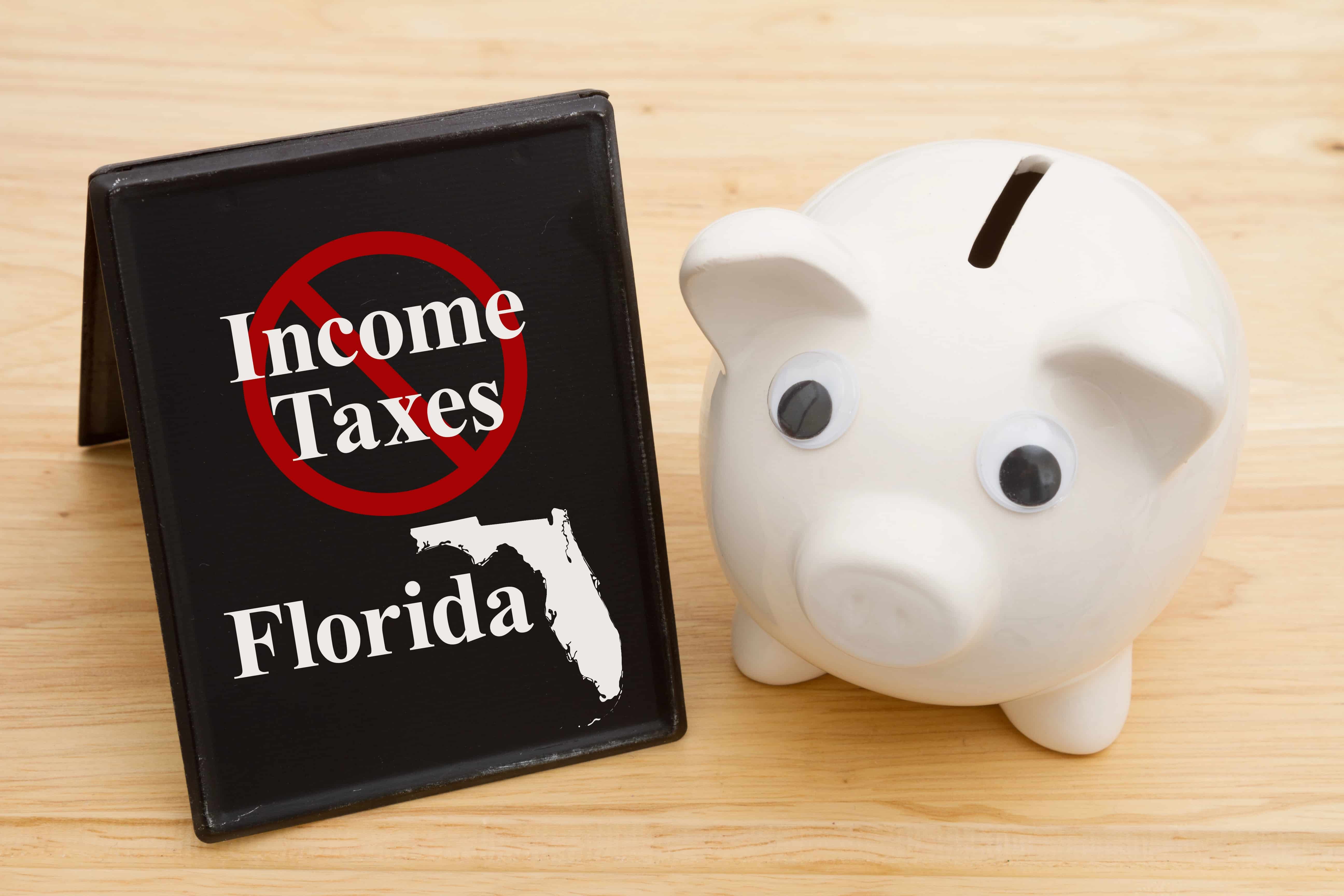
Searches for “states with no income tax” hit a decade high in early 2026. That is not a coincidence — it is math. State income tax rates in high-tax states like California (13.3% top rate), New York (10.9%), and New Jersey (10.75%) represent a significant slice of a paycheck, and the growth of remote work has made the question of where to live a genuine financial decision rather than a geographic inevitability.
The good news: as of 2026, nine states collect no broad-based state income tax on wages. Moving to one of them can be a meaningful financial move — but only if you understand what the headline misses. States have bills to pay. Roads, schools, emergency services, and government operations cost money, and states that do not collect income tax raise revenue through other means. For some people in some states, those other taxes more than offset the income tax savings. For others, the math works out extremely well.
This article covers every no-income-tax state, what they actually charge instead, who benefits most from each, and how to run the numbers for your specific situation before making a move.
Note that sales tax rates — one of the key offsetting taxes in several of these states — vary by ZIP code. You can look up the combined state and local sales tax rate for any specific ZIP code at ZipCodePlus.com.
The Nine States With No State Income Tax in 2026
As of 2026, these nine states levy no broad-based state income tax on wages or salaries: 1
Alaska, Florida, Nevada, New Hampshire, South Dakota, Tennessee, Texas, Washington, Wyoming
Two of these have recently completed transitions that make the list cleaner than it has ever been:
Tennessee had the Hall Tax — a 6% levy on interest and dividend income — for decades. It was phased out over several years and fully eliminated, making Tennessee a true zero-income-tax state for all residents as of 2021. 2
New Hampshire taxed interest and dividends at 5% for years, giving it an asterisk on most “no income tax” lists. Legislation phased that tax out by 1% per year, and the final year of that tax was 2024. Starting with the 2025 tax year — filed in 2026 — New Hampshire is fully income-tax-free on all income. 2
One current caveat: Washington state does not tax wages but does levy a 7% capital gains tax on the sale of long-term assets above $250,000, upheld by the state Supreme Court in 2023. For most wage earners this does not affect them, but it matters significantly for investors, business sellers, and employees exercising large stock options. 1
State by State: What They Tax Instead
Florida
Florida is the most popular no-income-tax destination in the country, and it has a structural advantage that the others do not: its state constitution explicitly prohibits a personal income tax, making it the most legally durable of all nine states. 3
What Florida taxes instead:
- Sales tax: 6% state rate, with localities adding up to 1% — average combined rate of approximately 7.00% according to the Tax Foundation. Groceries and prescription drugs are exempt from the state sales tax. 1
- Property tax: Effective rate of approximately 0.74% for owner-occupied homes — moderate by national standards. The Homestead Exemption reduces assessed value by up to $50,000 for primary residences and caps annual tax increases at 3% for existing homeowners. New buyers get reassessed at purchase price.
- No estate or inheritance tax.
Who benefits most: High-income earners, business owners, and anyone whose primary financial exposure is wages rather than consumption. Florida is the go-to destination for high earners leaving California and New York specifically because it has built a strong domicile infrastructure and a Declaration of Domicile process that creates a clear paper trail for out-of-state audit defense. 3
The honest catch: Homeowners insurance costs in coastal Florida have become a serious financial factor. Average annual premiums in Miami-Dade County are among the highest in the nation, and hurricane deductibles of 2–5% of home value are standard. The income tax savings are real — but for homeowners in high-risk coastal ZIP codes, insurance costs can partially offset them. Browse ZIP codes in Florida →
Texas
Texas combines no income tax with a large, diverse economy and has absorbed enormous inbound migration from California, New York, and the Northeast over the past decade. 3
What Texas taxes instead:
- Sales tax: 6.25% state rate, with localities adding up to 2% — average combined rate of approximately 8.20%. 1
- Property tax: This is the big one. Texas has some of the highest effective property tax rates in the nation at approximately 1.60% — more than double Florida’s rate. On a $500,000 home in Austin, that is $8,000 or more per year in property taxes. In Travis County specifically, effective rates have run even higher as home values have appreciated. 3
- No estate or inheritance tax.
Who benefits most: High-income renters and business owners get the best deal in Texas — they capture the full income tax benefit without the property tax exposure. Homeowners in high-value markets like Austin need to run careful numbers, because the property tax burden can substantially reduce the net benefit of zero income tax.
The honest catch: Before packing up and heading to Austin, calculate your property tax bill specifically. Moving from a $13.3% income tax state (California) to Texas is a genuine windfall at high incomes — but the property tax structure means the math is not as clean for homeowners as the headline implies. Browse ZIP codes in Texas →
Nevada
Nevada funds its government primarily through tourism and casino taxes — roughly $900 million annually from gaming revenue alone — passing much of the cost of government onto visitors rather than residents. 3
What Nevada taxes instead:
- Sales tax: 6.85% state rate; Clark County (Las Vegas) adds local taxes up to 8.375% combined. 1
- Property tax: Effective rate of approximately 0.55% — among the lowest in the country.
- No estate or inheritance tax.
Who benefits most: Nevada offers an unusually clean tax picture for residents — relatively low property taxes, income tax savings, and a state budget partially subsidized by the tourism and gaming industries. Henderson, consistently rated among the safest large cities in the West, has become a particularly popular destination for California transplants. Browse ZIP codes in Nevada →
Washington
Washington presents the most nuanced picture of any state on this list due to its capital gains tax. 1
What Washington taxes instead:
- Sales tax: 6.5% state rate; Seattle adds local taxes — combined rate in Seattle reaches approximately 10.4%, one of the highest in the country.
- Capital gains tax: 7% on long-term capital gains above $262,000 (indexed for inflation). This applies to investment income, business sales, and stock option exercises above the threshold. Wages are not affected.
- Property tax: Moderate effective rate of approximately 0.87%.
- Business and Occupation (B&O) tax on gross receipts applies to businesses, which is unusual nationally.
Who benefits most: Wage earners in Seattle’s tech economy — Amazon, Microsoft, Boeing — capture the income tax savings fully. The capital gains tax only activates for high earners with significant investment events. Browse ZIP codes in Washington →
Tennessee
Tennessee is genuinely income-tax-free as of 2021, with no Hall Tax asterisk remaining. It pairs that with warm weather and a below-average cost of living, making it one of the more compelling no-tax states for a broad range of income levels. 2
What Tennessee taxes instead:
- Sales tax: Tennessee has the highest combined sales tax rate in the country at approximately 9.61% average combined. Nashville’s rate is 9.75%. The state rate is 7% on general goods; food is taxed at 4%. 1
- Property tax: Moderate effective rate of approximately 0.56%.
- No estate or inheritance tax.
Who benefits most: Higher earners whose income exceeds their consumption capture the most benefit. For households spending heavily on taxable goods — especially in Nashville at 9.75% combined — the sales tax burden is real and should be factored in.
The honest catch: Tennessee’s sales tax is the highest in the nation. Buy a $35,000 car in Nashville and you will pay approximately $3,412 in sales tax. For lower-income households where a higher percentage of income goes to consumption, the sales tax structure partially or fully offsets the income tax savings. Browse ZIP codes in Tennessee →
Wyoming
Wyoming is the most tax-favorable state on the entire list by total tax burden — and it is not particularly close. 3
What Wyoming taxes instead:
- Sales tax: 4% state rate, with localities adding modestly — average combined rate approximately 5.36%, among the lowest in the country. 1
- Property tax: Effective rate of approximately 0.57% — very low.
- Revenue from energy: Wyoming funds a large portion of its government through coal, oil, and natural gas severance taxes — meaning the energy industry bears a significant share of the state’s costs.
- No estate or inheritance tax.
Who benefits most: Wyoming is genuinely tax-favorable across almost every dimension. A $400,000 home in Cheyenne carries roughly $2,440 per year in property taxes — compared to $8,000 or more for a comparable home in Austin, Texas. For the right person, Wyoming offers the cleanest total tax picture of any state in the country.
The honest catch: Wyoming is rural, sparsely populated, and geographically isolated from major metros. The largest city, Cheyenne, has a population of around 65,000. It is not the right fit for everyone regardless of the tax math. Browse ZIP codes in Wyoming →
South Dakota
South Dakota has no income tax, a cost of living index of 91.9 (below the national average of 100), and a median home price of approximately $310,014 — well below the national average. 3
What South Dakota taxes instead:
- Sales tax: 4.2% state rate plus local additions — average combined approximately 6.40%. 1
- Property tax: Moderate effective rate of approximately 1.14%.
- No estate or inheritance tax. South Dakota has exceptionally favorable trust laws that make it popular for high-net-worth asset protection planning.
Who benefits most: South Dakota offers solid all-around value. Sioux Falls has emerged as a genuine small city with a growing economy, strong healthcare infrastructure, and a quality of life that consistently ranks well in national surveys. Browse ZIP codes in South Dakota →
New Hampshire
New Hampshire is now fully income-tax-free as of the 2025 tax year, completing the elimination of its interest and dividends tax. It also has no state sales tax — making it one of only five states nationally with neither an income tax nor a broad sales tax. 2
What New Hampshire taxes instead:
- Property tax: This is where New Hampshire makes up the revenue. Effective property tax rates average approximately 1.86% — among the highest in the nation. On a median home price of approximately $493,517, that translates to around $9,179 per year.
- No sales tax, no income tax, no estate tax.
Who benefits most: New Hampshire’s tax structure rewards high earners who rent or own modestly valued homes — they capture the income and sales tax savings without proportionally high property tax exposure. For high-income renters, New Hampshire may be the best total tax deal on the list. Homeowners in higher-value markets need to weigh the property tax burden carefully.
The honest catch: Housing prices have risen significantly as remote workers from Boston and beyond have moved in. The median home price of $493,517 is far above the national average, and property tax on a $500,000 home at 1.86% is approximately $9,300 per year. Browse ZIP codes in New Hampshire →
Alaska
Alaska is the most unusual state on the list. It has no income tax, no statewide sales tax, and actually pays residents money through the Alaska Permanent Fund Dividend — an annual payment drawn from the state’s oil wealth. The 2024 dividend was approximately $1,702 per eligible resident. 3
What Alaska taxes instead:
- Local sales taxes: No state sales tax, but many municipalities levy their own. Anchorage has no sales tax; Juneau charges 5%. Varies significantly by location.
- Property tax: Varies by municipality. The state exempts the first $150,000 of assessed property value from property taxes for adults 65 and older.
- Cost of living: Alaska has a very high cost of living — most goods must be imported, and remoteness adds significant costs to everyday expenses. The cost of living index for Anchorage runs approximately 25–30% above the national average.
Who benefits most: Alaska’s combination of no income tax, no statewide sales tax, and annual dividend payments is genuinely unique. But the high cost of living, extreme winters, limited infrastructure in rural areas, and geographic isolation from the rest of the country make it the right choice for a specific kind of person rather than a broadly accessible tax strategy. Browse ZIP codes in Alaska →
How to Actually Calculate Whether Moving Saves You Money
The income tax savings from moving to a no-tax state are real — but so is the risk of trading one tax for another without improving your overall situation. Here is how to think through it clearly.
Step 1: Calculate your current state income tax bill. Look at your state’s marginal rate and estimate your actual state income tax paid last year. This is your baseline savings if you move.
Step 2: Estimate your property tax exposure in the destination state. If you own a home or plan to buy one, multiply the home’s value by the destination state’s effective property tax rate. Compare to what you pay now.
Step 3: Estimate your sales tax exposure. Roughly, an average household spends about 30–40% of after-tax income on taxable goods and services. Multiply that by the combined sales tax rate difference between your current and destination state.
Step 4: Factor in cost of living. A state with no income tax but 30% higher housing costs (like New Hampshire compared to lower-cost income-tax states) may leave you financially worse off overall.
Step 5: Consider domicile requirements. Simply listing a no-tax state address is not enough. States like California and New York aggressively audit people who claim to have moved but maintain significant ties — jobs, family, property, time spent — to the high-tax state. Establishing genuine legal domicile requires changing voter registration, driver’s license, banking relationships, and actually spending the majority of your time in the new state. 3
States Moving Toward No Income Tax
Several states are actively reducing income tax rates with zero as a stated goal:
- Mississippi — Flat rate dropping from 4.4% to 4% in 2026, with reductions scheduled to continue toward 3% by 2030, and potentially zero with revenue triggers. 4
- North Carolina — Flat rate dropping from 4.25% to 3.99% in 2026, with additional cuts of 0.5% possible from 2027 to 2034 if revenue goals are met. 4
- Nebraska — Rate reduced from 5.2% to 4.55% in 2026, dropping further to 3.99% in 2027. 4
These states are worth watching. North Carolina in particular — already one of the top relocation destinations in the country — could reach a very low income tax rate within the next decade.
Looking Up Sales Tax for Any ZIP Code
Since sales tax is one of the primary offsets to income tax savings in many of these states, knowing the exact combined rate for a specific location matters. Combined state and local sales tax rates vary significantly within the same state — sometimes by several percentage points between neighboring cities.
You can look up the combined sales tax rate for any ZIP code in the country at ZipCodePlus.com. Select any state to browse ZIP codes, or search directly for a specific code.
- Browse ZIP codes in Florida →
- Browse ZIP codes in Texas →
- Browse ZIP codes in Tennessee →
- Browse ZIP codes in Nevada →
- Browse ZIP codes in Wyoming →
Related Reading
- Sales Tax Rates by State — 2026 Complete Guide
- Cheapest States to Live In 2026
- Cost of Living by State — 2026
- Remote Work and Relocation: Where Americans Are Moving for Lifestyle
Sources
Page last updated: April 2026. Tax rates from Tax Foundation 2026 data and state revenue authorities. Tax law changes frequently — verify current rates with a qualified tax professional before making relocation decisions based on tax considerations.
Footnotes
-
SoFi — ‘9 States With No Income Tax in 2026,’ citing Tax Foundation data, March 2026. https://www.sofi.com/learn/content/states-with-no-income-tax/ ↩ ↩2 ↩3 ↩4 ↩5 ↩6 ↩7 ↩8 ↩9
-
VisualFoodie / LandForCashMoney — ‘A Complete List of States With No Income Tax,’ 2026. https://visualfoodie.com/which-state-has-no-state-income-tax-in-2026/ ↩ ↩2 ↩3 ↩4
-
CountryTaxCalc — ‘States With No Income Tax 2026: Complete Guide to All 9 No-Tax States,’ 2026. https://www.countrytaxcalc.com/tax-guides/usa/state-income-tax-none-guide-2026/ ↩ ↩2 ↩3 ↩4 ↩5 ↩6 ↩7 ↩8 ↩9
-
TurboTax — ‘States With the Lowest and Highest Income Taxes,’ citing state revenue authority rate schedules, April 2026. https://turbotax.intuit.com/tax-tips/fun-facts/states-with-the-highest-and-lowest-taxes/L6HPAVqSF ↩ ↩2 ↩3